Water Treatment Plants

about-img

Water Treatment Plants

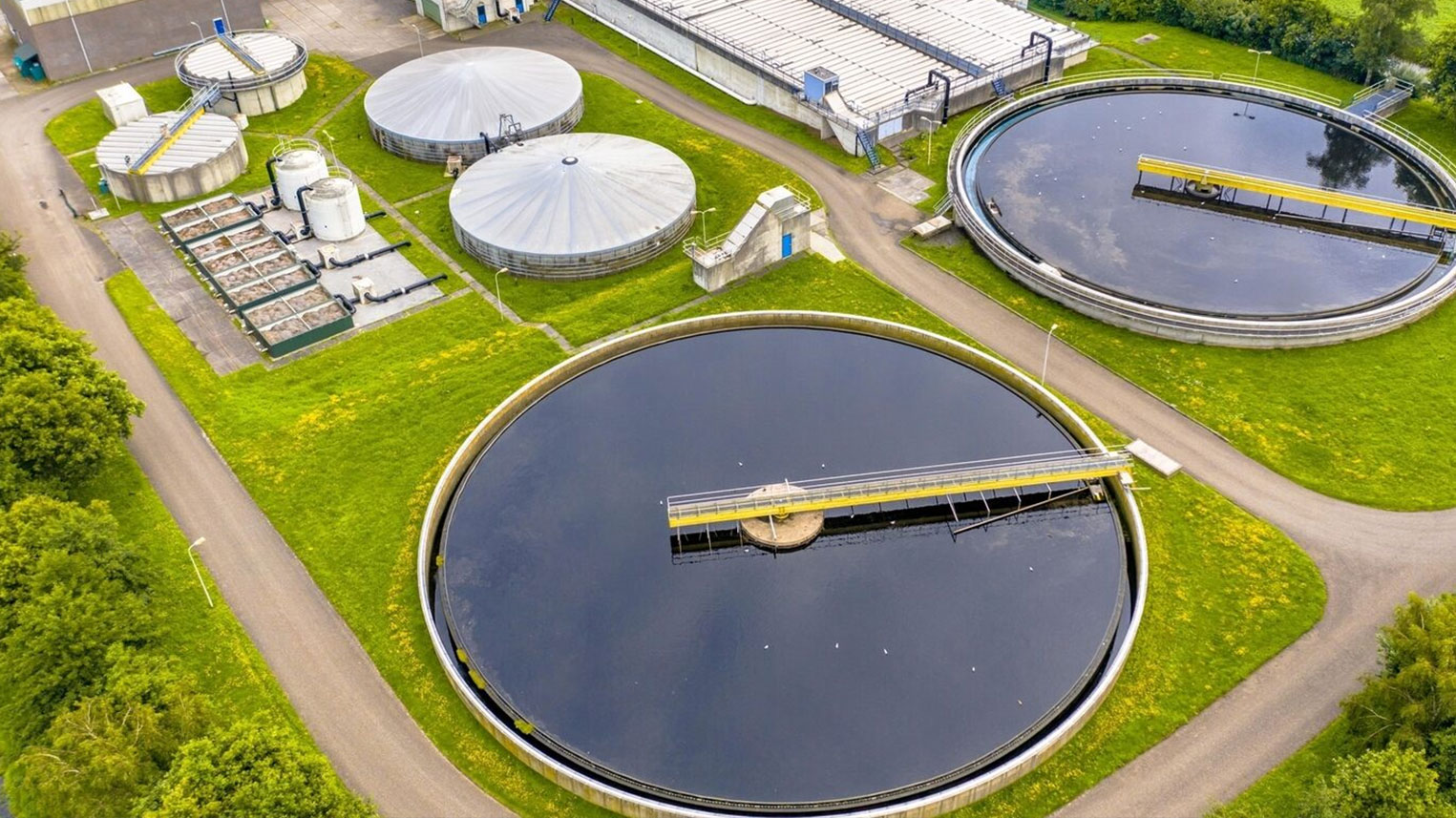
Water treatment plant (WTP) is crucial for treating water safely. A water treatment plant is a facility that provides clean water for various purposes, including industry, households, irrigation, and more.

The main purpose of WTP is to use technology for removing contaminants, dangerous substances, and impurities in water. That way, it can comply with the existing health standards. WTP is very crucial because water from natural sources often contains impurities that may be unsafe for direct consumption. Generally, natural water contains metals, minerals, microorganisms, chemicals, sediments, and organic matter.

How Does a Water Treatment Plant Work?

01
Initial Filtering
First, water from a lake or river will be filtered to remove trash, twigs, leaves, or other solids. It aims to protect the water pump.
02
Flocculation and Coagulation
It aims to deposit small particles from the initial filter. The method is to add flocculants and coagulants to the water, then stir it.
03
High Recovery Efficiency
The clumps from the flocculation and coagulation processes will settle at the bottom of the facility, forming sediment.
04
Filtration
The water in the reservoir will be filtered to remove smooth particles. Some media you can use are activated carbon.
05
Disinfection
Finally, the water will be disinfected to kill any remaining microorganisms, viruses, and bacteria. Disinfection methods vary, ranging from the use of chemicals such as chlorine to ultraviolet light.

Partner With Us For Sustainable Growth

Discover a Seamless Integration Beyond Chemicals and Systems